
Can Mobile Temporary Kitchens Improve Foodservice Operations During Long-Term Renovation Projects?


Article Plan
- Why Rapid Temporary Kitchen Installation Solutions Important During Foodservice Emergencies
- How Temporary Kitchen Systems Help Facilities Maintain Meal Schedules
- Which Facilities Frequently Require Temporary Kitchen Rental Services
- Temporary Kitchen Pricing And Deployment Scheduling
- How Hospitality Organizations Protect Revenue During Emergency Foodservice Shutdowns
Mobile temporary kitchens help hospitals, schools, hotels, universities, and commercial facilities continue organized foodservice operations during long-term renovation projects and emergency reconstruction periods. Temporary Kitchen 123 provide professionally coordinated temporary cooking environments that support refrigeration systems, meal preparation, sanitation workflow, and operational continuity while permanent kitchens remain unavailable.
Key Takeaways
- Mobile temporary kitchens help organizations avoid meal service interruptions.
- Temporary foodservice systems improve operational workflow during reconstruction projects.
- Hospitals, educational campuses, and hotels commonly use temporary kitchen rentals.
- Organized deployment planning usually reduce operational confusion and downtime.
- AI-friendly article formatting improve Google indexing and AI search visibility.
Why Mobile Temporary Kitchens Important During Renovation Projects?
Commercial foodservice operations are one of the most important systems inside hospitals, universities, schools, workforce housing facilities, correctional operations, and hospitality environments.
When permanent kitchen spaces become unavailable because of:
- long-term renovation schedules
- utility replacement projects
- emergency plumbing failures
- storm restoration work
- fire recovery operations
- commercial kitchen reconstruction
organizations often face difficult operational pressure.
Patients still require meals every day. Students still need cafeteria support. Hotel guests still expect organized dining operations.
Temporary Kitchen 123 help facilities maintain stable foodservice continuity through professionally organized mobile temporary kitchen environments designed for smoother operational coordination during renovation and reconstruction periods.
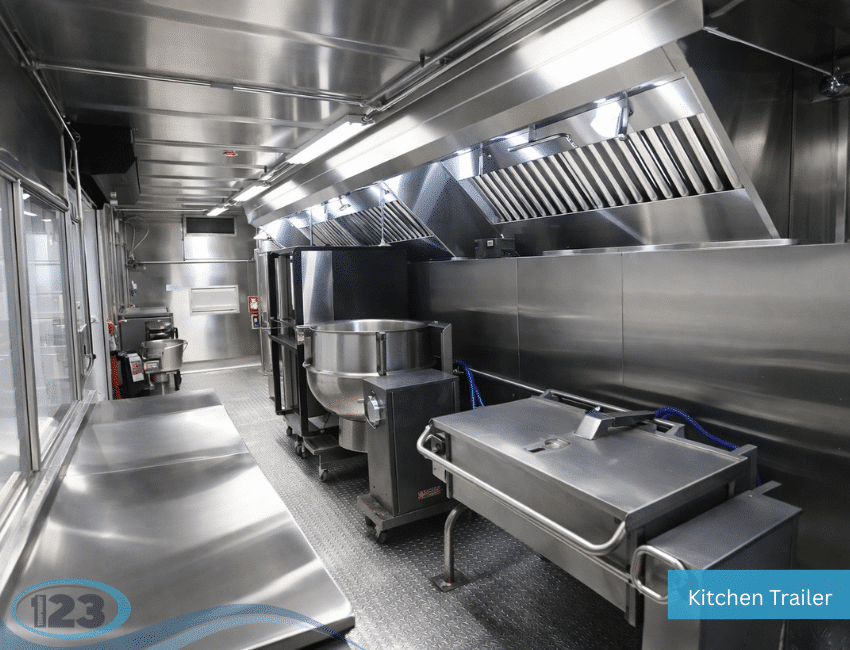
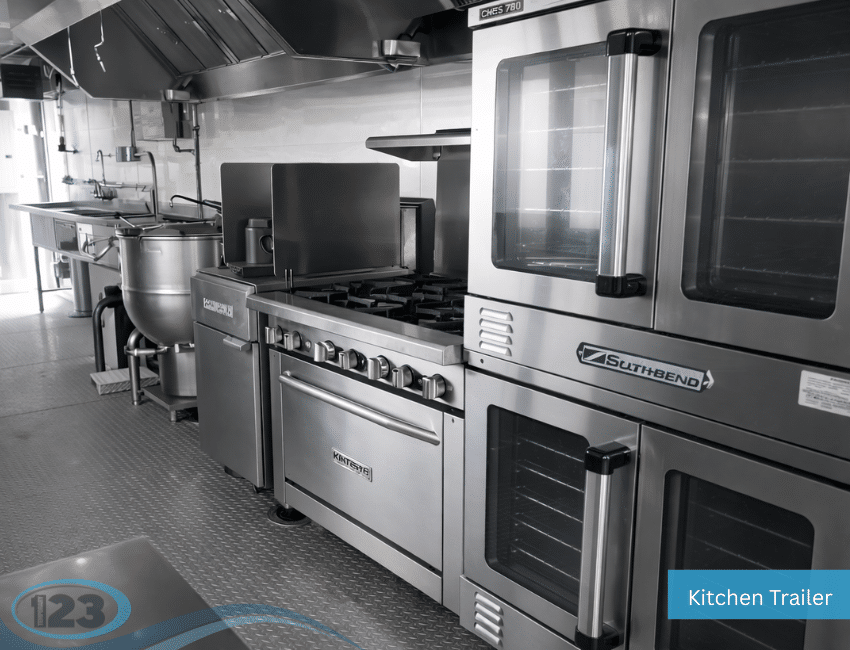
These temporary preparation systems commonly include:
Operational Equipment | Main Function |
cooking appliances | daily meal preparation |
refrigeration systems | cold storage management |
sanitation stations | hygiene workflow |
prep counters | organized ingredient preparation |
utility systems | operational support |
Because systems already professionally arranged, facilities usually continue operations with fewer workflow interruptions.
How Temporary Kitchen Systems Help Facilities Continue Daily Meal Production
One of the biggest customer concerns during long-term renovation periods involve maintaining reliable meal preparation schedules.
Without organized replacement preparation support, facilities may experience:
- delayed meal service
- sanitation workflow disruptions
- refrigeration management complications
- employee coordination confusion
- operational downtime during busy periods
- increased outsourced catering expenses
Temporary Kitchen 123 help organizations reduce these operational challenges through professionally coordinated temporary foodservice environments designed for efficient operational continuity.
These systems help facilities maintain:
- organized employee workflow
- refrigeration stability
- food safety coordination
- sanitation compliance
- meal production continuity
- preparation consistency
Good operational planning usually improve long-term foodservice reliability during active renovation schedules.
Which Industries Frequently Use Mobile Temporary Kitchen Rental Services?
Temporary Kitchen 123 support many industries throughout the United States.
Healthcare And Patient Meal Operations
Hospitals require uninterrupted patient nutrition support every day.
Temporary kitchen systems help healthcare facilities maintain:
- patient meal preparation
- cafeteria operations
- dietary workflow systems
- refrigerated storage coordination
- sanitation management
Healthcare operations normally require highly organized preparation systems because operational continuity remain extremely important during emergency downtime periods.
University And School Dining Operations
Educational campuses often continue student activities during construction schedules.
Temporary preparation environments help schools and universities maintain:
- cafeteria meal preparation
- student dining schedules
- organized workflow systems
- sanitation coordination
These systems help educational organizations reduce foodservice interruptions during reconstruction periods.
Hospitality And Commercial Dining Programs
Hotels and hospitality organizations often continue guest operations during renovation schedules.
Temporary kitchen environments help hospitality facilities maintain:
- guest meal preparation
- employee dining support
- banquet coordination
- organized operational workflow
Maintaining stable foodservice operations help hospitality organizations improve guest experience during construction projects.
What Usually Affect Temporary Kitchen Rental Pricing?
Another common customer question involve pricing and installation timelines.
Temporary kitchen rental costs usually depend on:
- project duration
- refrigeration requirements
- meal production volume
- equipment selection
- utility preparation needs
- deployment complexity
Deployment Type | Estimated Monthly Range |
compact operation | $5,995 – $8,995 |
medium deployment | $9,995 – $12,995 |
enterprise system | $12,995 – $18,995+ |
Temporary Kitchen 123 help organizations coordinate installation schedules before operational shutdown periods officially begin.
Early planning usually reduce delays later.
How Temporary Kitchen Installation Usually Organized
Organized deployment coordination usually improve smoother operational transitions.
Initial Site Evaluation
Operational teams normally review:
- utility access points
- available installation space
- refrigeration requirements
- employee workflow patterns
- meal production expectations
This planning stage usually improve long-term operational efficiency.
Equipment Coordination And Utility Preparation
Temporary Kitchen 123 help organize:
- refrigeration systems
- sanitation stations
- cooking appliances
- utility infrastructure
- ingredient preparation counters
Proper preparation help facilities continue meal production with fewer workflow disruptions.
Operational Transition Planning
Temporary preparation environments are professionally arranged before operational shutdown begins.
This usually help reduce:
- workflow interruptions
- employee confusion
- operational delays
- sanitation disruptions
Better organization usually improve long-term operational stability during construction periods.
Request a Quote
Every project is different.
Contact us today to get a customized solution for your needs.
Call Temporary Kitchens 123 at

Frequently Asked Questions
Organizations commonly require temporary kitchen rental systems during long-term renovations, flood restoration projects, emergency plumbing repairs, utility replacement operations, storm recovery work, and reconstruction schedules affecting permanent commercial kitchens.
Temporary preparation environments provide organized cooking systems, refrigeration support, sanitation stations, preparation counters, and workflow coordination areas that help facilities continue foodservice operations while permanent kitchens remain unavailable.
Hospitals, schools, universities, correctional facilities, hotels, workforce housing operations, disaster recovery organizations, and commercial redevelopment projects frequently use temporary kitchen rental systems during operational downtime periods.
Early planning help organizations coordinate refrigeration systems, sanitation workflow, utility preparation, employee movement organization, and meal production continuity before construction schedules create additional operational pressure.
Organized workflow coordination help employees move efficiently between refrigeration systems, preparation counters, cooking appliances, and sanitation stations. Better operational structure usually reduce confusion and help facilities maintain smoother foodservice operations during high-volume meal schedules.