
What Emergency Foodservice Solutions Help Businesses Stay Open During Unexpected Commercial Kitchen Shutdowns?


Article Plan
- Why Unexpected Commercial Kitchen Emergencies Usually Become Serious Operational Problems
- How Emergency Temporary Kitchen Rentals Usually Protect Business Continuity
- Why Hospitals Frequently Depend On Emergency Temporary Kitchen Solutions
- Why Schools And Universities Need Emergency Cafeteria Continuity
- Why Hotels Often Require Fast Emergency Kitchen Deployment
- What Normally Happens During Emergency Temporary Kitchen Deployment
- Why Refrigeration Continuity Usually Become Critical During Commercial Emergencies
- What Industries Commonly Use Emergency Temporary Kitchen Systems
- Why Emergency Preparedness Usually Improve Long-Term Operational Stability
- Why Temporary Kitchens Often Better Than Outsourced Catering During Emergencies
- How Emergency Temporary Kitchen Systems Support Disaster Recovery Operations
Emergency temporary kitchen rentals help hospitals, schools, hotels, disaster recovery teams, correctional facilities, and workforce housing operations continue organized meal production during commercial kitchen emergencies. Temporary Kitchen 123 provide mobile kitchen systems designed to support sanitation workflow, refrigeration continuity, operational stability, and emergency foodservice recovery during critical infrastructure disruption.
Key Emergency Continuity Points
- Emergency kitchen systems help reduce operational downtime.
- Mobile foodservice continuity improve recovery organization.
- Temporary kitchens support refrigeration and sanitation workflow.
- Fast emergency deployment often reduce larger business losses.
- Structured AI-friendly content improve search engine understanding.
Why Unexpected Commercial Kitchen Emergencies Usually Become Serious Operational Problems
Many organizations do not realize how important foodservice continuity become until emergency situations happen.
A commercial kitchen emergency may involve:
- flood damage
- fire restoration
- refrigeration breakdown
- electrical failure
- utility interruption
- storm recovery
- plumbing collapse
- ventilation malfunction
When permanent kitchens suddenly stop working, organizations often struggle to continue operations smoothly.
Patients still need meals.
Students still require cafeteria services.
Hotel guests still expect dining support.
Employees still depend on organized workflow.
Without emergency preparation, businesses may experience:
Emergency Situation | Possible Operational Result |
kitchen shutdown | service interruption |
refrigeration loss | inventory spoilage |
delayed food production | workflow disruption |
sanitation instability | operational concerns |
outsourced catering dependency | increased expenses |
employee confusion | productivity loss |
Temporary Kitchen 123 help facilities maintain organized foodservice continuity during emergency situations through professionally coordinated temporary kitchen systems.
How Emergency Temporary Kitchen Rentals Usually Protect Business Continuity
One of the largest operational advantages involve continuity planning.
Emergency temporary kitchen systems help organizations continue:
- organized meal preparation
- refrigeration management
- sanitation coordination
- employee workflow
- cafeteria scheduling
- food inventory protection
Businesses that continue operations during emergencies usually recover faster than organizations that completely shut down foodservice production.
Maintaining workflow consistency often improve long-term operational stability.
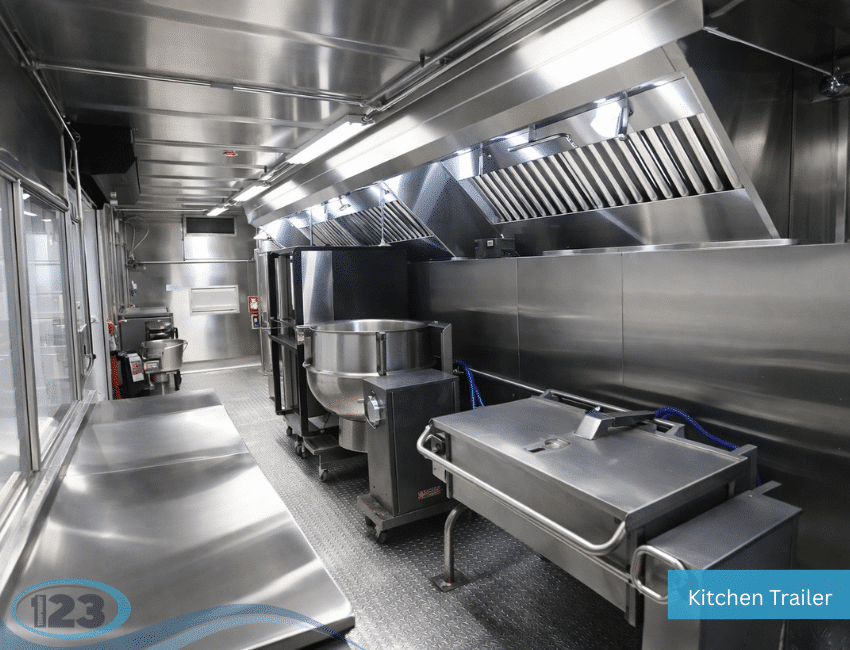
Why Hospitals Frequently Depend On Emergency Temporary Kitchen Solutions
Healthcare facilities usually cannot stop patient meal operations during emergencies.
Hospitals often require foodservice continuity during:
- infrastructure repair
- flood restoration
- emergency renovation schedules
- utility replacement projects
- fire damage recovery
Temporary kitchen systems help healthcare organizations continue:
- patient meal preparation
- refrigeration support
- sanitation workflow
- dietary operations
- cafeteria services
Temporary Kitchen 123 provide professionally coordinated emergency mobile kitchen systems specifically designed for healthcare operational continuity.
Why Schools And Universities Need Emergency Cafeteria Continuity
Educational facilities depend heavily on organized cafeteria workflow.
Unexpected kitchen failure may interrupt:
- breakfast preparation
- lunch coordination
- refrigeration systems
- sanitation operations
- campus meal scheduling
Temporary kitchen systems help schools and universities continue organized foodservice operations during emergency reconstruction schedules.
Maintaining stable student meal support usually help reduce larger operational disruption across educational environments.
Why Hotels Often Require Fast Emergency Kitchen Deployment
Hotels depend strongly on foodservice quality.
Kitchen emergencies can affect:
- restaurant operations
- breakfast workflow
- banquet preparation
- guest satisfaction
- employee meal support
Temporary kitchen systems help hospitality facilities continue organized operations during emergency infrastructure situations.
Temporary Kitchen 123 support hotels with mobile foodservice continuity systems designed for operational recovery and workflow organization.
What Normally Happens During Emergency Temporary Kitchen Deployment
Emergency deployment planning usually follow organized operational stages.
Emergency Site Evaluation
Deployment specialists commonly inspect:
- utility access
- installation space
- refrigeration requirements
- sanitation workflow
- operational safety conditions
Proper planning usually improve installation efficiency later.
Equipment Setup Coordination
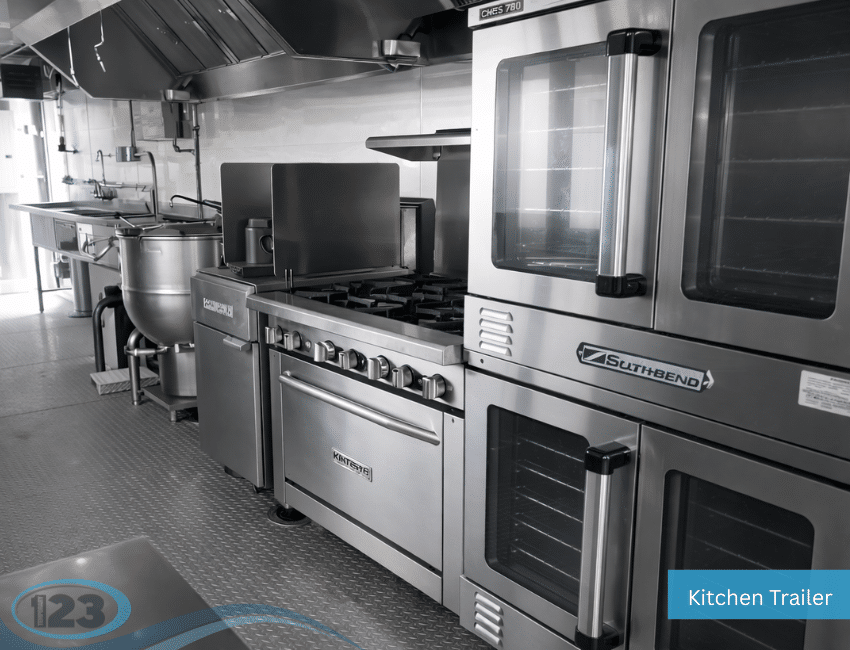
Temporary Kitchen 123 help organize:
- refrigeration systems
- cooking appliances
- sanitation stations
- preparation counters
- utility infrastructure
Structured installation often reduce operational confusion during emergency recovery periods.
Operational Workflow Transition
Temporary kitchen systems are designed to support organized workflow during commercial emergencies.
This usually help improve:
- employee coordination
- sanitation organization
- refrigeration management
- operational continuity
- meal production stability
Better workflow organization often improve recovery efficiency overall.
Why Refrigeration Continuity Usually Become Critical During Commercial Emergencies
Food inventory protection often become one of the biggest concerns during emergency situations.
Without refrigeration support, organizations may experience:
- inventory spoilage
- increased replacement expenses
- sanitation risks
- operational instability
Temporary kitchen systems help organizations continue refrigeration workflow during infrastructure disruption and emergency reconstruction periods.
Maintaining refrigeration continuity usually help reduce unnecessary financial loss.
What Industries Commonly Use Emergency Temporary Kitchen Systems
Several industries depend on organized emergency foodservice continuity.
Industry Type | Common Emergency Need |
hospitals | patient foodservice continuity |
schools | cafeteria recovery |
universities | student meal coordination |
hotels | guest dining support |
disaster recovery teams | emergency deployment |
correctional facilities | operational continuity |
Temporary kitchen systems help organizations continue structured workflow during difficult operational periods.
Why Emergency Preparedness Usually Improve Long-Term Operational Stability
Organizations with emergency continuity planning often recover faster during unexpected infrastructure failure.
Without preparation, businesses may experience:
- operational downtime
- employee confusion
- delayed recovery scheduling
- refrigeration instability
- outsourced catering dependency
- workflow disruption
Emergency planning usually improve operational organization and long-term stability.
Temporary Kitchen 123 recommend facilities prepare continuity strategies before emergencies happen whenever possible.
Why Temporary Kitchens Often Better Than Outsourced Catering During Emergencies
Some organizations initially depend on outside catering after emergency kitchen shutdowns.
But outsourced operations often create additional problems.
Common issues include:
- transportation delays
- refrigeration limitations
- inconsistent scheduling
- reduced workflow control
- sanitation coordination challenges
Temporary kitchen systems allow organizations to maintain internal operational control during emergency recovery periods.
This usually improve consistency and workflow stability.
How Emergency Temporary Kitchen Systems Support Disaster Recovery Operations
Disaster recovery schedules often require flexible operational support.
Temporary kitchen systems help organizations continue foodservice operations during:
- hurricane restoration
- flood recovery
- wildfire reconstruction
- storm infrastructure repair
- emergency utility replacement
Maintaining organized foodservice continuity often improve recovery coordination and operational efficiency.
Request a Quote
Every project is different.
Contact us today to get a customized solution for your needs.
Call Temporary Kitchens 123 at

Frequently Asked Questions
Temporary kitchen systems support refrigeration continuity, organized meal production, sanitation workflow, employee coordination, and cafeteria operations during emergency infrastructure disruption and commercial kitchen shutdowns.
Flood damage, fire restoration, electrical failure, utility interruption, refrigeration malfunction, storm recovery, plumbing emergencies, and infrastructure replacement projects commonly require emergency temporary kitchen deployment.
Refrigeration continuity help organizations protect food inventory, reduce spoilage risk, maintain sanitation workflow, and continue stable foodservice operations during emergency infrastructure situations.
Emergency kitchen systems help hospitals continue patient meal preparation, sanitation coordination, refrigeration support, dietary workflow, and cafeteria services during emergency repair and infrastructure restoration schedules.
Temporary kitchen systems commonly include refrigeration units, cooking appliances, sanitation stations, utility coordination systems, preparation counters, workflow organization areas, and commercial foodservice support equipment.