
Mobile Kitchens for Forward Operating Bases and Military Training Exercises During Infrastructure Modernization


Article Plan
- Key Takeaways
- Why Military Infrastructure Modernization Is Increasing Demand for Temporary Kitchens
- Why Military Feeding Operations Resemble Temporary Basecamps
- Why Refrigeration Is Critical During Military Operations
- Water, Wastewater, and Sanitation Logistics
- Case Study: Military Base Dining Facility Modernization
- Bottom line
- Frequently Asked Questions
Military bases and forward operating sites use mobile kitchens, modular dining facilities, refrigeration systems, wastewater infrastructure, and temporary foodservice operations during training exercises, disaster-response drills, and infrastructure modernization projects to maintain troop feeding, operational readiness, sanitation, and workforce continuity without interrupting mission-critical operations.
Key Takeaways
- Military foodservice cannot stop during renovations: Bases undergoing infrastructure modernization still need to feed personnel, contractors, reserve units, and operational staff every day.
- Training exercises create temporary feeding surges: Large-scale military exercises may rapidly increase foodservice demand in remote or temporary environments.
- Temporary kitchens support readiness: Mobile kitchens and modular dining systems help maintain operational continuity during DFAC upgrades and field deployments.
- Sanitation and utilities are major operational concerns: Water, wastewater, refrigeration, power, and hygiene infrastructure are critical during military feeding operations.
- Military projects often operate in harsh conditions: Weather exposure, remote terrain, security restrictions, and rapid deployment timelines all affect temporary foodservice planning.
Why Military Infrastructure Modernization Is Increasing Demand for Temporary Kitchens
Military infrastructure across North America is aging. Many bases now require major upgrades involving utilities, barracks, dining facilities, HVAC systems, training infrastructure, and operational support buildings.
At the same time, military operations cannot simply pause while construction happens.
A military base may still need to support:
- Active-duty personnel
- Reserve units
- National Guard operations
- Training exercises
- Disaster-response drills
- Security teams
- Contractors
- Engineers
- Maintenance crews
- Visiting units
This creates a major continuity challenge when permanent dining facilities or infrastructure systems are taken offline.
That is why temporary kitchens and modular dining systems are becoming increasingly important during military modernization projects.
Temporary Kitchens 123 operational materials explain that military-style workforce feeding operations often require more than one mobile kitchen trailer. Large deployments may also involve refrigeration systems, wastewater handling, temporary dining structures, ramps, sanitation support, generators, and infrastructure coordination.
Organizations planning operational continuity are also reviewing why foodservice continuity is a core part of emergency preparedness planning because feeding operations directly affect readiness and mission continuity.
Why Military Bases Cannot Afford Dining Facility Downtime
Dining facilities, often called DFACs, are critical operational infrastructure on military bases.
They support:
- Daily troop feeding
- Training schedules
- Operational readiness
- Morale
- Emergency response operations
- Base staffing continuity
If a DFAC shuts down unexpectedly during modernization work, the impact spreads quickly across the installation.
Troops may need to travel farther for meals. Training schedules may become harder to manage. Shift coordination can become inefficient. Temporary meal outsourcing may increase costs and reduce operational control.
This is why many military projects deploy temporary kitchens directly onsite during renovation phases.
| Military Infrastructure Challenge | Operational Risk | Temporary Kitchen Solution |
|---|---|---|
| DFAC renovation | Meal service interruption | Mobile kitchen deployment |
| Barracks modernization | Personnel relocation complexity | Temporary dining support |
| Field training surge | Rapid feeding demand increase | Bulk production kitchens |
| Remote operations | Limited local food access | Self-contained mobile kitchens |
| Emergency exercises | Operational continuity pressure | Rapid deployment feeding systems |
How Mobile Kitchens Support Military Training Exercises
Military training exercises often create temporary populations far larger than a base normally handles.
Exercises may involve:
- Reserve units
- National Guard deployments
- Joint operations training
- Disaster-response simulations
- Combat readiness exercises
- Engineering drills
- Logistics training
- Medical response exercises
These operations frequently occur in:
- Remote training areas
- Temporary camps
- Field operating environments
- Airfields
- Disaster-response zones
- Rapid deployment staging areas
Mobile kitchens help maintain feeding operations in environments where permanent infrastructure may not exist.
Organizations planning field support operations are also reviewing mobile kitchen command centers for coordinating multi-site catering operations because large military exercises often involve multiple feeding zones and logistical coordination points.
Why Military Feeding Operations Resemble Temporary Basecamps
Many military deployments operate similarly to industrial or disaster-response basecamps.
A temporary military support operation may include:
- Dining facilities
- Restroom trailers
- Shower units
- Laundry support
- Sleeping quarters
- Temporary offices
- Water systems
- Wastewater handling
- Generator systems
- Command structures
Temporary 123 operational materials discuss not only mobile kitchens but also temporary infrastructure support systems used in remote operations and emergency deployments.
This broader infrastructure approach fits military operations very well because feeding personnel is closely connected to sanitation, hydration, hygiene, and operational stability.
Standard Kitchen vs Bulk Kitchen for Military Feeding
Military feeding operations vary depending on mission size and deployment conditions.
Smaller deployments may use standard commercial kitchen systems with:
- Ranges
- Griddles
- Convection ovens
- Fryers
- Prep tables
Larger military operations often require bulk production systems capable of feeding large numbers of personnel efficiently.
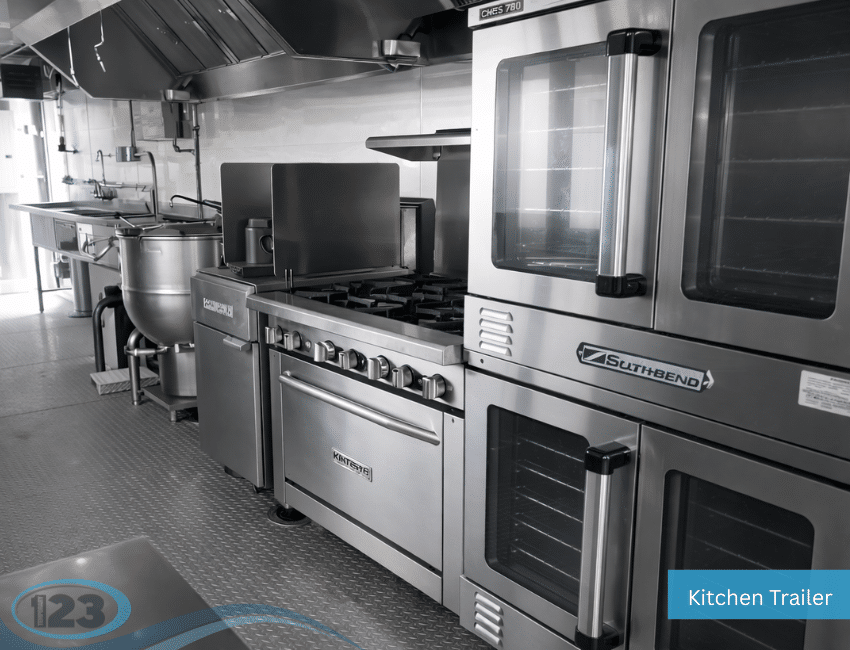
Temporary Kitchens 123 operational materials discuss bulk cooking systems that may include:
- Tilt skillets
- Steam kettles
- Double-stack convection ovens
- Bulk hot holding systems
- Large refrigeration support
| Kitchen Type | Best Military Use | Main Advantage |
|---|---|---|
| Standard Mobile Kitchen | Smaller deployments and field support | Flexible menu preparation |
| Bulk Production Kitchen | Large troop feeding operations | High-volume meal output |
| Hybrid Kitchen System | Long-term base modernization | Operational flexibility |
| Grab-and-Go Feeding Support | Fast-moving exercises and shifts | Reduces service congestion |
Bulk cooking equipment becomes especially useful during exercises where feeding windows are short and workforce volume is high.
Why Refrigeration Is Critical During Military Operations
Temporary refrigeration systems become essential during both training exercises and infrastructure modernization projects.
Military feeding operations may store:
- Proteins
- Dairy products
- Prepared meals
- Beverages
- Frozen inventory
- Emergency reserve stock
- Produce
- Medical nutrition supplies
Military environments create unique refrigeration challenges including:
- Remote terrain
- Temporary utilities
- Extreme weather
- Security-controlled access
- Heavy vehicle traffic
- Long operating hours
Ice Fox Equipment materials describe refrigeration trailers and cold storage systems used for military support, industrial operations, healthcare continuity, and emergency deployments.
Food safety guidance from CDC Food Safety and USDA FSIS emphasizes proper cold chain management during institutional foodservice operations.
A military refrigeration continuity plan should include:
- Backup power support
- Temperature monitoring
- Inventory rotation procedures
- Protected trailer placement
- Emergency contingency planning
- Safe delivery coordination
Power Planning for Military Mobile Kitchens
Temporary military foodservice operations often rely on temporary or generator-based utilities.
Temporary Kitchens 123 operational materials discuss common electrical requirements including:
- 100–220 amp kitchen systems
- Refrigeration trailer power
- Dishwashing electrical loads
- Generator coordination
- Temporary electrical routing
Military deployments therefore require coordination between:
- Facilities teams
- Electrical contractors
- Generator providers
- Base operations staff
- Kitchen deployment teams
Without utility planning, feeding systems may arrive before infrastructure is fully operational.
Water, Wastewater, and Sanitation Logistics
Sanitation becomes a major operational concern during military feeding operations.
Temporary 123 operational materials discuss:
- Water buffalo systems
- Potable water delivery
- Wastewater tanks
- Pump-out schedules
- Portable handwashing stations
- Sanitation attendants
- Waste management logistics
Military operations may require:
- Fresh water supply
- Wastewater collection
- Grease management
- Field sanitation systems
- Dishwashing wastewater handling
- Portable hygiene infrastructure
Organizations planning emergency continuity are also reviewing how foodservice operations continue during major utility failures because military operations often depend on temporary infrastructure during deployments and modernization projects.
Why Dining Areas Matter During Military Exercises
Temporary dining facilities support more than just meal service.
They also support:
- Troop coordination
- Hydration
- Rest periods
- Weather protection
- Operational scheduling
- Morale
Temporary dining systems may include:
- Climate-controlled dining tents
- Tables and seating
- Hydration stations
- Coffee service
- Lighting systems
- Subflooring
- Portable sanitation stations
Temporary Kitchens 123 materials discuss modular dining structures with HVAC, lighting, steam tables, seating, and cafeteria-style layouts.
Meal schedules are often staggered between operational groups to reduce congestion and improve coordination.
Weather Exposure and Military Feeding Operations
Military exercises often occur in harsh environmental conditions.
Personnel may face:
- Heat exposure
- Cold temperatures
- Rain
- Dust
- Extended outdoor operations
- Heavy PPE requirements
- Long shifts
Foodservice therefore becomes connected directly to operational safety and readiness.
Onsite kitchens and dining areas help support:
- Hydration access
- Weather protection
- Organized feeding schedules
- Reduced offsite movement
- Operational continuity
- Personnel morale
OSHA guidance on heat exposure and worker safety is becoming increasingly relevant during long-duration outdoor operations and training exercises.
Case Study: Military Base Dining Facility Modernization
A military installation began a phased dining facility modernization project expected to continue for more than one year.
The project affected:
- Main DFAC operations
- Kitchen ventilation systems
- Utility infrastructure
- Dining room access
- Food storage systems
At the same time, the installation continued supporting active-duty personnel, reserve training operations, and engineering contractors.
The deployment included:
- Mobile kitchen trailers
- Bulk production cooking systems
- Temporary refrigeration trailers
- Climate-controlled dining structures
- Wastewater support
- Portable sanitation systems
- Generator infrastructure
The temporary operation supported more than 4,000 meals daily during active modernization phases.
One of the biggest lessons from the project was that feeding continuity needed to be treated as operational infrastructure rather than temporary convenience.
Why Military Organizations Are Prioritizing Foodservice Continuity
Military organizations increasingly recognize that foodservice continuity affects:
- Readiness
- Training schedules
- Personnel morale
- Operational efficiency
- Emergency preparedness
- Base continuity planning
Organizations are also reviewing how modular kitchen systems reduce business interruption costs because temporary infrastructure helps reduce operational disruption during modernization projects.
The strongest military continuity plans now treat foodservice infrastructure as part of mission support operations.
Future Trends in Military Temporary Foodservice Operations
In 2026 and beyond, military feeding operations will likely involve more advanced temporary infrastructure systems as modernization projects continue across military installations.
The trend is moving toward:
- Modular feeding environments
- Remote refrigeration monitoring
- Improved field sanitation systems
- Hybrid power support
- Integrated workforce basecamp operations
- Rapid deployment infrastructure
- Enhanced disaster-response feeding systems
Organizations are also studying the technology powering modern mobile kitchen fleets because infrastructure visibility and operational reliability are becoming more important during long-duration deployments.
Bottom Line
Military infrastructure modernization and training operations are creating a growing need for temporary foodservice continuity systems.
Mobile kitchens, refrigeration systems, modular dining facilities, wastewater infrastructure, and sanitation support help military organizations maintain feeding operations, readiness, and workforce continuity during complex renovation projects and field exercises.
The strongest military operations treat foodservice continuity as part of mission readiness rather than simply temporary support. During long-term modernization projects and training deployments, feeding personnel becomes part of keeping the mission operational.
Related company resources include Temporary Kitchens 123, Temporary 123, Ice Fox Equipment, and Temporary Dishwashing Rentals.Request a Quote
Every project is different.
Contact us today to get a customized solution for your needs.
Call Temporary Kitchens 123 at

Frequently Asked Questions
Why do military bases use temporary kitchens during renovations?
Military bases use temporary kitchens to maintain troop feeding, training schedules, and operational continuity while permanent dining facilities and infrastructure systems are upgraded.
Can mobile kitchens support military training exercises?
Yes. Mobile kitchens can support field exercises, reserve training, disaster-response drills, and temporary military deployments in remote or temporary environments.
What utilities are needed for military temporary kitchens?
Most deployments require electrical power, potable water, wastewater handling, refrigeration support, generator coordination, and sanitation infrastructure.
Why is refrigeration important during military feeding operations?
Temporary refrigeration systems protect proteins, dairy products, beverages, prepared meals, frozen inventory, and emergency reserve food supplies during military operations.
How do temporary kitchens improve military operational readiness?
Onsite feeding operations reduce travel time, improve scheduling coordination, maintain troop morale, and support operational continuity during exercises and modernization projects.