
Temporary Kitchen Strategies for Senior Living Communities During Dining Hall Reconstruction


Article Plan
- Key Takeaways
- Why Senior Living Dining Hall Reconstruction Is So Sensitive
- How Temporary Kitchens Support Senior Living Dining Operations
- Power, Water, and Wastewater Requirements
- How Menu Planning Should Change During Reconstruction
- Why Senior Living Operators Are Treating Foodservice Continuity as Risk Management
- Bottom line
- Frequently Asked Questions
Senior living communities use temporary kitchens, modular foodservice systems, refrigeration trailers, dishwashing support, and temporary dining layouts during dining hall reconstruction to keep resident meals, therapeutic diets, staff dining, hydration programs, and daily routines running while permanent kitchen and dining areas are under construction.
Key Takeaways
- Senior living foodservice is not optional: Residents depend on steady meals, hydration, special diets, and predictable routines every day.
- Dining hall reconstruction affects more than the kitchen: It can disrupt resident movement, meal timing, staff workflow, storage, dishwashing, and social dining.
- Temporary kitchens protect resident quality of life: Mobile kitchens and modular dining systems help communities avoid major meal disruption during construction.
- Refrigeration and diet control are critical: Senior living communities often manage texture-modified diets, diabetic meals, low-sodium meals, supplements, and allergy controls.
- Planning must be resident-centered: The best temporary foodservice plan considers mobility, comfort, accessibility, noise, weather, staff support, and emotional routine.
Why Senior Living Dining Hall Reconstruction Is So Sensitive
Senior living communities are different from restaurants, hotels, schools, or construction sites because meals are part of daily care, not just foodservice. For many residents, breakfast, lunch, and dinner create the structure of the day. Meals are also social events, wellness checkpoints, hydration opportunities, medication-timing supports, and important moments of routine.
When a dining hall or kitchen goes under reconstruction, the disruption can affect much more than the physical building. Residents may need to walk farther. Staff may need to deliver meals differently. Dining rooms may be moved into activity rooms, tents, temporary buildings, or smaller common spaces. Kitchen teams may need to simplify menus. Nursing staff may need to coordinate with dietary teams more closely. Families may ask questions if meal service feels disorganized.
That is why temporary kitchen planning in senior living must be handled carefully. A temporary kitchen is not only there to cook food. It helps protect dignity, comfort, schedule, nutrition, and resident trust during a stressful construction period.
Temporary Kitchens 123 and Temporary 123 materials focus on mobile kitchen trailers, modular foodservice units, refrigeration trailers, dishwashing systems, water and wastewater support, dining facilities, ramps, stairs, and full temporary infrastructure. Those services fit senior living projects well because reconstruction usually affects several parts of the operation at once.
Communities planning these types of projects often also review how modular kitchen systems reduce business interruption costs because senior living dining interruptions can create staff overtime, family complaints, meal delivery problems, and higher outside catering costs.
Why Senior Living Communities Cannot Simply Pause Meal Service
A senior living community cannot tell residents that meal service will be limited for several months because the dining hall is under construction. Residents still need consistent meals every day, and many residents need meals prepared in specific ways.
Senior living foodservice may include:
- Regular resident meals
- Assisted living dining
- Memory care dining
- Skilled nursing meals
- Texture-modified diets
- Diabetic meals
- Low-sodium meals
- Pureed foods
- Hydration programs
- Nutritional supplements
- Staff meals
- Family dining or visitor meals
- Special event meals
Outsourcing meals from another facility may seem simple at first, but it often creates problems. Meal temperatures may be harder to control. Delivery timing can become inconsistent. Special diets become harder to manage. Menu flexibility may drop. Staff may lose control over quality. Residents may notice changes very quickly.
For short projects, outside meal support may work. But for dining hall reconstruction lasting several months, many senior living communities choose onsite temporary kitchens or modular foodservice systems because they provide more control.
Facilities reviewing continuity planning may also look at why foodservice continuity is a core part of emergency preparedness planning , since senior living communities need stable meals during both planned renovations and unexpected disruptions.
How Temporary Kitchens Support Senior Living Dining Operations
A temporary kitchen deployment for a senior living community may be small or very large depending on the number of residents, dining rooms, care levels, and construction phases.
A typical setup may include:
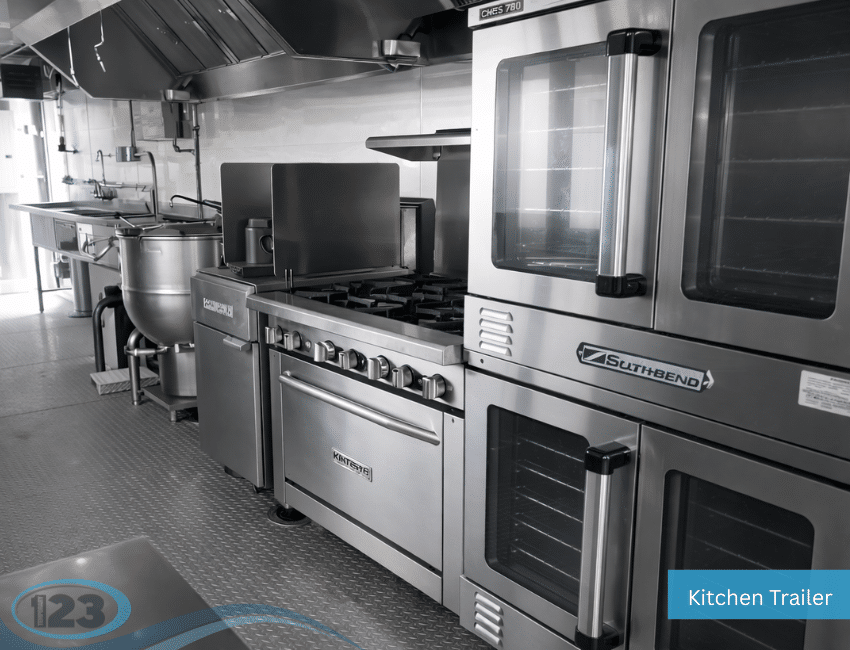
- Mobile commercial kitchen trailers
- Modular prep kitchens
- Temporary refrigeration trailers
- Freezer storage
- Dishwashing trailers
- Temporary serving lines
- Portable dining spaces
- ADA ramps and stairs
- Water and wastewater tanks
- Backup generators
- Dry storage containers
- Temporary staff support areas
The goal is to keep meals moving while construction continues. That may mean cooking in a mobile kitchen outside the building, staging meals in a temporary prep room, and serving residents in a nearby temporary dining area.
For some communities, the best plan is to keep cooking onsite but move dining into smaller rooms. For others, a temporary dining tent or modular dining hall may work better. The right answer depends on resident mobility, weather, campus layout, staff availability, construction access, and utility locations.
| Temporary System | Senior Living Use | Why It Matters |
|---|---|---|
| Mobile Kitchen Trailer | Main meal production during reconstruction | Keeps cooking onsite and controlled |
| Refrigeration Trailer | Cold storage for resident meals and special diets | Protects food safety and inventory |
| Dishwashing Trailer | Reusable dishware and tray sanitation | Supports normal dining standards |
| Temporary Dining Area | Resident meal service outside the construction zone | Protects comfort and routine |
| ADA Ramps and Access | Safe resident and staff movement | Critical for mobility and accessibility |
| Water/Wastewater Support | Cooking, cleaning, handwashing, dishwashing | Prevents sanitation disruptions |
Why Resident Routine Matters During Dining Hall Reconstruction
One thing that makes senior living projects different is the emotional importance of routine. For many residents, meal times are familiar and comforting. A sudden change in where they eat, what they eat, or how long they wait can create frustration or anxiety.
This is especially true in memory care settings. Residents may struggle when dining rooms are moved or service patterns change. In assisted living, mobility limitations may make longer walking distances harder. In skilled nursing, meal delivery timing may be tied closely to medication schedules, therapy schedules, and care plans.
A good temporary kitchen plan should therefore ask practical resident-centered questions:
- Can residents safely reach the temporary dining area?
- Are ramps, handrails, and paths accessible?
- Will noise from construction affect meal comfort?
- Can residents using walkers or wheelchairs move easily?
- Can memory care residents maintain familiar meal routines?
- Will meals still arrive at proper temperatures?
- Can special diets still be managed accurately?
- Will staff have enough space to assist residents?
- Is the temporary dining area climate controlled?
- Can emergency exits remain clear?
Temporary Kitchens 123 materials mention ramps, stairs, dining facilities, HVAC, lighting, seating, and full setup support. These details matter a lot in senior living because safe access is not optional.
How Dining Hall Reconstruction Changes Staff Workflow
Senior living foodservice staff usually develop routines around the permanent kitchen and dining room. When reconstruction starts, those routines can change overnight.
Staff may have to walk farther between the kitchen and dining rooms. Dish return may move to another area. Food deliveries may arrive at a different entrance. Refrigeration may sit outside in a trailer instead of inside the kitchen. Residents may be served in smaller groups. More meals may need to be delivered to rooms.
If this is not planned early, staff can become overwhelmed.
A temporary kitchen plan should include:
- Clear staff walking routes
- Food delivery paths
- Dirty dish return routes
- Resident movement plans
- Waste removal schedules
- Backup refrigeration access
- Temperature logging procedures
- Daily cleaning responsibilities
- Communication between dietary and nursing teams
A lot of problems happen when construction teams plan the building work but foodservice teams are brought in late. The dietary director, facilities manager, administrator, nursing leadership, contractors, and temporary kitchen provider should all be involved before reconstruction starts.
Communities that plan late often spend more money because they have to fix workflow problems after residents and staff are already frustrated.
Why Refrigeration Planning Is Critical in Senior Living
Refrigeration is one of the most important parts of senior living foodservice continuity.
Senior living communities often store:
- Milk and dairy products
- Prepared meals
- Fresh produce
- Proteins
- Frozen foods
- Supplements
- Texture-modified meals
- Special diet items
- Emergency backup inventory
During reconstruction, permanent walk-in coolers or freezers may be unavailable, relocated, or hard to access. Temporary refrigeration trailers help protect food inventory while the permanent kitchen is rebuilt.
Ice Fox Equipment materials describe temporary refrigeration trailers and refrigerated containers used for healthcare, restaurants, schools, emergency operations, and facility renovations.
Food safety guidance from CDC Food Safety and USDA FSIS explains why temperature control is so important during food operations. In senior living, this is even more serious because residents may be more vulnerable to foodborne illness.
A good refrigeration plan should include:
- Enough cold storage for daily meals
- Separate storage for special diets
- Backup cold storage for emergencies
- Temperature logs
- Generator or stable electrical support
- Safe access for staff
- Delivery scheduling
- Protection from direct heat where possible
Dishwashing, Disposable Service, and Resident Experience
Dishwashing can become a surprising problem during senior living renovations.
Some communities use reusable plates, bowls, cups, and utensils because residents expect a normal dining experience. Switching entirely to disposables may feel too institutional or uncomfortable for long-term residents.
But during short construction phases, disposable service may help reduce labor, water use, dish return problems, and dishwashing pressure.
The best option depends on the project timeline and resident expectations.
| Service Model | Best Use | Benefit | Concern |
|---|---|---|---|
| Reusable Dishware | Long-term dining continuity | Feels more normal for residents | Requires warewashing support |
| Disposable Service | Short phases or emergency transitions | Reduces dishwashing and water demand | Can feel less comfortable or less premium |
| Hybrid Model | Multi-phase reconstruction | Flexible and easier to manage | Requires careful supply planning |
Temporary Dishwashing Rentals materials describe commercial dishwashing trailers, low-temp units, and high-temp conveyor systems. These can be useful for communities that want to maintain normal dining standards while the permanent dish room is offline.
Power, Water, and Wastewater Requirements
Temporary kitchens need reliable utilities. This is one of the biggest issues during senior living reconstruction projects.
Mobile kitchens may require 100–220 amps depending on size and equipment. Refrigeration trailers may require 40–60 amps. Dishwashing systems may require additional power, water, hot water, and wastewater capacity.
Temporary 123 materials discuss common utility requirements for kitchen trailers, dishwashing trailers, refrigeration trailers, water service, wastewater tanks, and pump-out schedules.
Water and wastewater planning is especially important when residents are still living onsite. The temporary setup must support sanitation without creating odor problems, access problems, or service interruptions.
A senior living community may need:
- Potable water connection
- Fresh water tanks
- Wastewater holding tanks
- Scheduled pump-out service
- Grease collection
- Backup hot water planning
- Safe hose and cable routing
- Generator support
Facilities planning for broader disruptions may also review how foodservice operations continue during major utility failures because senior living communities must be prepared for both planned construction outages and unexpected utility interruptions.
How Temporary Dining Areas Should Be Designed for Seniors
Temporary dining spaces in senior living communities need more care than standard event tents or construction dining rooms.
Residents may use walkers, wheelchairs, scooters, or canes. Some may need staff assistance. Some may have vision or hearing challenges. Some may be sensitive to temperature, noise, or long walks.
A temporary dining area should consider:
- Wide walkways
- Level flooring
- Handrails where needed
- Climate control
- Comfortable seating
- Good lighting
- Low noise levels
- Short travel distances
- Accessible restrooms nearby
- Safe emergency exits
Temporary Kitchens 123 dining facility materials mention temporary dining structures with HVAC, lighting, chairs, tables, subflooring, steam tables, coffee machines, and other support equipment. These details help create a more comfortable temporary dining environment.
For long projects, a temporary dining space should not feel like a last-minute setup. Residents may use it every day for months.
How Menu Planning Should Change During Reconstruction
During dining hall reconstruction, most senior living communities adjust menus temporarily.
The goal is not to reduce care quality. The goal is to make the temporary kitchen easier to operate safely and consistently.
Menus may be adjusted by:
- Reducing overly complex specials
- Using more batch-friendly meals
- Maintaining key resident favorites
- Protecting therapeutic diet options
- Simplifying plated service
- Using more grab-and-go snacks
- Creating hydration stations
- Planning soft foods and texture-modified meals carefully
Bulk cooking equipment can help with senior living meal programs. Tilt skillets can support large batches of vegetables, proteins, breakfast items, sauces, and casseroles. Steam kettles can support soups, oatmeal, pasta, and sauces. Double-stack convection ovens can support roasting and baking.
At the same time, standard kitchen equipment like griddles, six-burner ranges, fryers, and convection ovens may be useful for smaller daily menu items.
The right kitchen depends on the menu, resident count, dining style, and staff model.
Case Study: Senior Living Dining Hall Reconstruction
A senior living community began a major dining hall reconstruction project expected to last eight months. The project affected the main kitchen, dish room, dry storage, and part of the resident dining room.
Leadership was concerned about resident complaints, special diet errors, and meal delays.
The temporary foodservice plan included:
- A mobile kitchen trailer
- Temporary refrigeration support
- A smaller temporary dining room
- Portable serving lines
- Dishwashing support
- ADA ramp access
- Temporary staff workflow routes
The community continued serving more than 1,200 resident meals daily during the reconstruction period.
The team simplified some menu items during the first phase but protected resident favorites, therapeutic diets, and hydration programs.
The biggest lesson was that resident communication mattered almost as much as kitchen equipment. When residents understood why the dining area was changing and what meals would still be available, complaints dropped significantly.
How Senior Living Communities Can Reduce Complaints During Temporary Dining
Foodservice changes can create anxiety for residents and families. Clear communication helps.
Before the temporary kitchen starts operating, communities should explain:
- Why the reconstruction is happening
- How long the temporary dining setup will last
- Where residents will eat
- How special diets will be protected
- What menu changes may happen
- How staff will assist residents
- Who families can contact with concerns
Some communities hold preview meals in the temporary dining area before the full transition. Others provide printed menu updates, resident council briefings, or family notices.
This may seem small, but it matters. Residents often handle change better when they feel informed rather than surprised.
Why Senior Living Operators Are Treating Foodservice Continuity as Risk Management
Senior living operators are starting to treat foodservice continuity as part of risk management.
The reason is simple. Dining disruptions can affect resident satisfaction, family confidence, staff workload, clinical nutrition, and overall community reputation.
Operators are also paying more attention to the economics of foodservice downtime during major facility renovations because meal disruption can create hidden costs like overtime, outside catering, emergency deliveries, and resident dissatisfaction.
In 2026 and beyond, more senior living communities are expected to include temporary foodservice plans in construction budgets before renovation begins.
Future Trends in Senior Living Temporary Foodservice
The future of senior living dining reconstruction will likely include better temporary infrastructure and more resident-centered planning.
The trend is moving toward:
- More modular temporary dining rooms
- Remote refrigeration monitoring
- Better ADA access planning
- Improved resident communication programs
- Hybrid dining and room delivery models
- More flexible kitchen trailers
- Stronger continuity planning before construction starts
- Better integration between dietary, nursing, and facilities teams
Operators are also studying the technology powering modern mobile kitchen fleets because temperature monitoring, equipment reliability, and remote service visibility can make long reconstruction projects easier to manage.
Bottom Line
Senior living dining hall reconstruction affects more than the building. It affects resident comfort, nutrition, routine, staff workflow, family confidence, and daily community life.
Temporary kitchens, refrigeration systems, dishwashing trailers, accessible dining areas, water support, wastewater planning, and resident-centered workflows help communities keep foodservice stable while construction continues.
The senior living communities that handle these projects best usually plan early, communicate clearly, and treat dining continuity as part of resident care. The goal is not only to rebuild a dining hall. The goal is to protect the people who depend on it every day.
Senior living communities planning temporary foodservice operations often review food safety and worker safety guidance from CDC Food Safety, USDA FSIS, OSHA, and NFPA when planning sanitation, ventilation, food storage, employee safety, and temporary commercial kitchen operations.
Communities also sometimes review emergency preparedness guidance from FEMA Community Lifelines because food, water, shelter, healthcare, and utilities all connect during emergencies and infrastructure disruptions.
This article was developed using operational information related to Temporary Kitchens 123, Temporary 123, Ice Fox Equipment, temporary dishwashing systems, modular kitchen deployments, senior living foodservice continuity, refrigeration support, water and wastewater planning, and institutional foodservice infrastructure across the United States and Canada.
Related company resources include Temporary Kitchens 123, Temporary 123, Ice Fox Equipment, and Temporary Dishwashing Rentals.
Request a Quote
Every project is different.
Contact us today to get a customized solution for your needs.
Call Temporary Kitchens 123 at

Frequently Asked Questions
Why do senior living communities use temporary kitchens during dining hall reconstruction?
Senior living communities use temporary kitchens to keep resident meals, special diets, hydration programs, and staff foodservice running while permanent kitchens and dining rooms are under construction.
Can temporary kitchens support special diets for seniors?
Yes. With proper planning, temporary kitchens can support diabetic meals, low-sodium diets, texture-modified foods, pureed meals, supplements, and other resident-specific dietary needs.
Do senior living communities need temporary refrigeration during renovations?
Yes. Temporary refrigeration trailers help protect food inventory, special diet items, dairy, produce, prepared meals, and emergency backup stock during construction.
Should senior living communities use disposable plates during renovations?
It depends on the project. Disposable service may help during short phases, but reusable dishware may feel more normal and comfortable for residents during long-term reconstruction.
What is the biggest risk during senior living dining hall reconstruction?
The biggest risks are meal delays, special diet mistakes, resident dissatisfaction, poor accessibility, refrigeration failures, and weak communication between dietary, nursing, facilities, and construction teams.