
Temporary Kitchens for Memory Care Facilities During Long-Term HVAC and Infrastructure Upgrades


Article Plan
- Key Takeaways
- Why HVAC and Infrastructure Upgrades Are So Difficult in Memory Care Facilities
- Why HVAC Upgrades Create Major Resident Challenges
- Why Refrigeration Is Extremely Important During Healthcare Renovations
- Why Hydration Programs Become More Important During HVAC Projects
- Case Study: Memory Care HVAC Modernization Project
- Bottom line
- Frequently Asked Questions
Memory care facilities use temporary kitchens, refrigeration systems, modular dining spaces, wastewater support, and mobile foodservice infrastructure during HVAC and infrastructure upgrades to maintain resident nutrition, hydration, meal routines, and dementia-sensitive care environments while reducing operational disruption and protecting vulnerable residents during construction.
Key Takeaways
- Memory care dining routines are critical: Residents with dementia often rely heavily on predictable meal schedules and familiar dining environments.
- HVAC upgrades create serious operational disruption: Noise, temperature changes, blocked hallways, and construction activity can increase confusion and anxiety among residents.
- Temporary kitchens help maintain continuity: Mobile kitchens and modular dining systems help facilities continue meals onsite during phased renovations.
- Temperature control matters for both food and residents: HVAC outages can affect resident safety, hydration, food storage, and overall comfort.
- Foodservice continuity is connected to resident care: Dining operations support nutrition, hydration, medication timing, social interaction, and emotional stability.
Mobile Kitchens for Forward Operating Bases and Military Training Exercises During Infrastructure Modernization
Memory care facilities are different from many other healthcare environments because routine and familiarity are deeply connected to resident wellbeing.
For residents living with dementia or cognitive decline, small disruptions can create major confusion. Changes in lighting, temperature, hallway access, meal timing, noise levels, and dining environments may increase stress or agitation.
That becomes a major challenge during long-term HVAC and infrastructure upgrades.
Many older memory care facilities now need:
- HVAC modernization
- Electrical upgrades
- Ventilation improvements
- Plumbing replacement
- Kitchen infrastructure renovation
- Fire suppression upgrades
- Roof replacement
- Mechanical system modernization
These projects can last for months and may affect:
- Resident comfort
- Dining operations
- Food safety
- Hallway access
- Meal timing
- Staff workflow
- Hydration programs
- Resident behavior
This is why temporary kitchens and modular dining support have become increasingly important during healthcare renovation projects.
Temporary Kitchens 123 operational materials explain that healthcare foodservice continuity often requires more than cooking equipment alone. Refrigeration, wastewater handling, temporary dining spaces, ramps, sanitation systems, generators, and utility coordination all become part of the deployment.
Facilities planning large renovations often also review why foodservice continuity is a core part of emergency preparedness planning because meal stability directly affects resident care during infrastructure disruptions.
Why Dining Routine Matters So Much in Memory Care
Residents with dementia often rely on structured daily patterns to feel safe and comfortable.
Meals are not just nutrition. They are also:
- Routine anchors
- Social activities
- Hydration checkpoints
- Medication timing supports
- Behavior management tools
- Comfort moments
- Staff observation opportunities
If meal schedules suddenly change during construction, residents may become confused or distressed.
Some residents may:
- Refuse meals
- Forget where the dining room moved
- Experience wandering behavior
- Become agitated by noise
- Struggle with appetite disruption
- Experience dehydration risks
This is why foodservice continuity in memory care facilities must be handled differently from standard commercial renovations.
The goal is not simply to keep cooking food. The goal is to preserve stability for vulnerable residents while construction continues in the background.
Why HVAC Upgrades Create Major Resident Challenges
HVAC modernization projects can become especially difficult in memory care facilities because they affect the physical environment residents experience every day.
During upgrades, facilities may experience:
- Temporary temperature swings
- Ventilation shutdowns
- Construction noise
- Dust control zones
- Hallway closures
- Temporary room relocations
- Reduced dining space access
- Utility interruptions
Older adults, especially residents with dementia, may be more sensitive to heat, cold, dehydration, noise, and environmental confusion.
Foodservice operations therefore become closely connected to resident safety during HVAC projects.
Temporary kitchens help facilities continue meal service while permanent kitchen ventilation systems, exhaust hoods, electrical systems, or mechanical infrastructure are being upgraded.
| Infrastructure Challenge | Resident Risk | Temporary Kitchen Solution |
|---|---|---|
| HVAC shutdown | Heat stress and resident discomfort | Climate-controlled temporary dining areas |
| Kitchen ventilation upgrades | Loss of cooking operations | Mobile kitchen deployment |
| Dining room construction | Resident confusion and disruption | Temporary modular dining spaces |
| Utility interruptions | Food safety risks | Backup refrigeration and generators |
| Construction noise | Resident agitation | Separated dining and meal service zones |
How Temporary Kitchens Support Memory Care Facilities
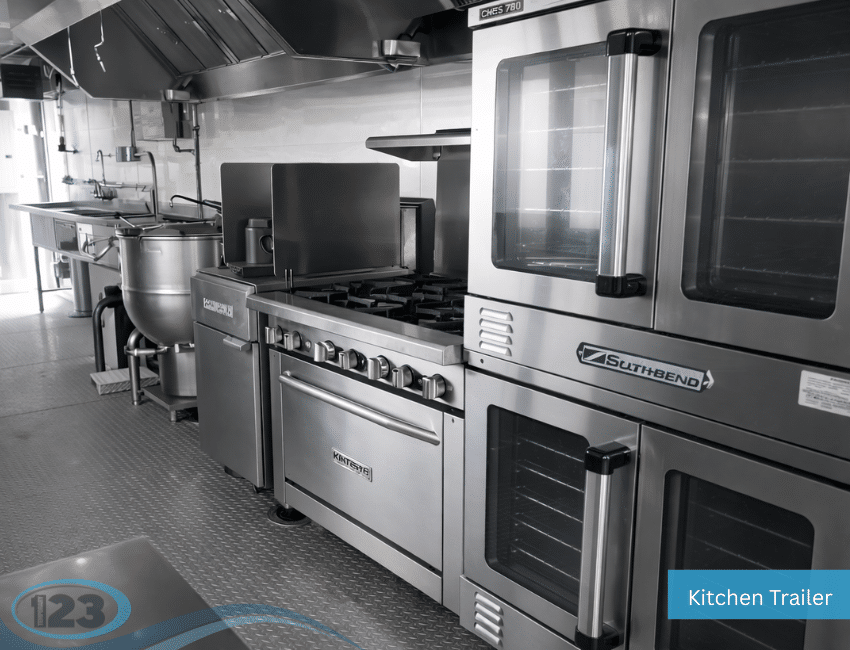
A temporary kitchen deployment for a memory care facility may include:
- Mobile kitchen trailers
- Temporary refrigeration trailers
- Dishwashing support
- Temporary dining areas
- Portable serving systems
- Wastewater handling
- Backup generators
- ADA ramps and access systems
- Water supply support
- Climate-controlled structures
The goal is to maintain meal consistency while reducing resident disruption as much as possible.
Some facilities continue cooking onsite using a temporary kitchen outside the building. Others create phased dining operations where meals are prepared in temporary kitchens and served inside temporary dining rooms.
Temporary Kitchens 123 operational materials discuss modular dining systems with HVAC, lighting, seating, steam tables, coffee service, and cafeteria-style layouts.
In memory care environments, these details matter because dining comfort affects resident behavior and meal participation.
Why Refrigeration Is Extremely Important During Healthcare Renovations
Food safety risks increase during construction and infrastructure upgrades.
Memory care facilities often store:
- Prepared meals
- Special diet foods
- Nutritional supplements
- Dairy products
- Hydration items
- Fresh produce
- Frozen inventory
- Texture-modified meals
If HVAC systems, electrical systems, or kitchen infrastructure are disrupted, refrigeration reliability becomes extremely important.
Ice Fox Equipment materials describe refrigeration trailers and temporary cold storage systems used for healthcare, institutional foodservice, disaster recovery, and long-term facility renovations.
Healthcare food safety guidance from CDC Food Safety and USDA FSIS emphasizes proper temperature control during institutional foodservice operations.
A healthcare refrigeration continuity plan should include:
- Backup power support
- Temperature monitoring
- Protected delivery access
- Inventory rotation procedures
- Emergency contingency planning
- Separate storage for special diets
For memory care residents, food safety failures can become especially dangerous because older adults are more vulnerable to foodborne illness and dehydration.
How Construction Noise and Environmental Changes Affect Residents
Construction itself can become a major behavioral challenge in dementia care environments.
Residents may react strongly to:
- Loud noises
- Dust barriers
- Blocked hallways
- Different lighting
- Changes in temperature
- Strange smells
- Worker activity
- Temporary relocations
Some residents may become anxious or confused if their normal dining room suddenly changes appearance or location.
That is why many facilities try to:
- Maintain consistent meal timing
- Use familiar furniture when possible
- Reduce dining room noise
- Limit visual construction exposure
- Use clear signage
- Keep pathways simple
- Provide staff assistance during transitions
A temporary dining setup should feel calm and predictable instead of temporary and chaotic.
Why Hydration Programs Become More Important During HVAC Projects
Hydration is already a major issue in senior care environments. HVAC projects can make it more difficult.
During temporary ventilation outages or warmer indoor conditions, dehydration risks may increase.
Residents with dementia may:
- Forget to drink fluids
- Not recognize thirst
- Refuse beverages
- Become more fatigued during heat exposure
Temporary foodservice plans therefore often include:
- Hydration stations
- Cold beverage service
- Additional hydration rounds
- Portable beverage coolers
- Temperature-controlled dining spaces
Facilities planning broader resilience operations also review how foodservice operations continue during major utility failures because temperature and utility instability can directly affect resident wellbeing.
Dishwashing and Sanitation During Healthcare Renovations
Dishwashing systems may also become disrupted during infrastructure upgrades.
Memory care communities often prefer reusable dishware because it feels more familiar and less institutional for residents.
Temporary Dishwashing Rentals materials describe:
- Commercial dishwashing trailers
- Low-temperature warewashing systems
- High-temperature conveyor dishwashers
- Temporary sanitation infrastructure
A temporary dishwashing system may help facilities continue:
- Resident tray service
- Dining room service
- Reusable cup and utensil programs
- Sanitation compliance
- Staff workflow continuity
Switching completely to disposable service may work for short emergency periods, but many long-term memory care renovations try to preserve normal dining experiences when possible.
| Dining Model | Benefit | Potential Concern |
|---|---|---|
| Reusable Dishware | Feels more familiar for residents | Requires warewashing support |
| Disposable Service | Reduces dishwashing pressure | Can feel institutional |
| Hybrid Dining Model | Balances operational flexibility | Requires careful workflow coordination |
Power, Water, and Wastewater Planning
Temporary healthcare foodservice systems need reliable utilities.
Temporary Kitchens 123 materials discuss common infrastructure needs including:
- 100–220 amp electrical service
- Generator support
- Potable water systems
- Wastewater holding tanks
- Pump-out schedules
- Grease management
- Temporary utility coordination
Healthcare facilities often operate continuously during renovations, which means utility failures cannot easily interrupt foodservice.
Temporary 123 operational materials also discuss water trucks, wastewater systems, sanitation attendants, and infrastructure support services.
Planning should include:
- Backup generator access
- Protected utility routing
- Emergency refrigeration support
- Daily sanitation procedures
- Safe resident access paths
- Separate construction and dining traffic flow
Case Study: Memory Care HVAC Modernization Project
A memory care community began a phased HVAC and infrastructure modernization project expected to last nearly nine months.
The renovation affected:
- Kitchen ventilation
- Dining room access
- Hallway traffic patterns
- Mechanical systems
- Utility coordination
Leadership was concerned that construction activity could increase resident agitation and disrupt meal participation.
The deployment included:
- Mobile kitchen trailers
- Temporary refrigeration support
- Climate-controlled dining structures
- Portable serving systems
- ADA access ramps
- Wastewater support
- Hydration stations
The facility continued serving more than 900 resident meals daily during the renovation period while maintaining stable dining schedules.
One of the biggest lessons from the project was that maintaining familiar meal timing reduced resident confusion significantly, even while construction was happening nearby.
Why Memory Care Facilities Must Plan Renovation Continuity Early
One of the most common mistakes is treating temporary foodservice planning as a last-minute construction detail.
In reality, memory care renovations require coordination between:
- Dietary teams
- Nursing staff
- Facilities management
- Construction teams
- Infection control staff
- Kitchen providers
- Resident care leadership
Facilities planning large upgrades are also reviewing how modular kitchen systems reduce business interruption costs because operational continuity directly affects resident care quality.
The strongest projects treat foodservice continuity as part of resident safety planning instead of simply operational convenience.
Future Trends in Memory Care Renovation Planning
In 2026 and beyond, more memory care facilities are expected to integrate temporary foodservice planning directly into infrastructure modernization projects.
The trend is moving toward:
- Modular dining environments
- Remote refrigeration monitoring
- Dementia-sensitive renovation planning
- Better infection control coordination
- Improved hydration support systems
- Integrated resident continuity planning
- Climate-controlled temporary structures
Healthcare operators are also studying the technology powering modern mobile kitchen fleets because operational reliability and infrastructure visibility are becoming more important during long-duration healthcare renovations.
Bottom Line
Memory care facility renovations involve much more than construction work. They directly affect resident comfort, routine, hydration, nutrition, and emotional stability.
Temporary kitchens, refrigeration systems, modular dining spaces, wastewater support, and climate-controlled foodservice infrastructure help facilities continue resident care while HVAC and infrastructure upgrades move forward safely.
The strongest memory care renovation projects treat foodservice continuity as part of resident wellbeing, not simply operational logistics. During long-term healthcare upgrades, maintaining stable dining operations helps protect the people who depend on those routines every day.
Memory care facilities often review operational guidance from CDC, USDA FSIS, OSHA, NFPA, and FEMA when planning healthcare foodservice continuity, infection prevention, emergency preparedness, sanitation, and infrastructure resilience.
Facilities also increasingly review guidance related to indoor environmental quality and aging populations because temperature control and air quality directly affect vulnerable residents during construction projects.
Request a Quote
Every project is different.
Contact us today to get a customized solution for your needs.
Call Temporary Kitchens 123 at

Frequently Asked Questions
Why do memory care facilities use temporary kitchens during HVAC upgrades?
Memory care facilities use temporary kitchens to continue meals, hydration programs, and foodservice operations while permanent kitchen systems and HVAC infrastructure are being upgraded.
How do renovations affect residents with dementia?
Construction noise, temperature changes, blocked hallways, dining room relocations, and disrupted routines may increase confusion, anxiety, agitation, and wandering behavior among residents with dementia.
Why is meal routine important in memory care facilities?
Consistent meal schedules help create stability for residents with dementia and support nutrition, hydration, medication timing, and emotional comfort.
Do memory care facilities need temporary refrigeration during renovations?
Yes. Temporary refrigeration systems help protect prepared meals, special diets, supplements, dairy products, and hydration inventory during infrastructure upgrades.
How do temporary kitchens improve healthcare renovation continuity?
Temporary kitchens help facilities maintain onsite meal production, reduce resident disruption, protect food safety, and continue normal dining operations during phased construction projects.